Personalized Dental Care in Seoul Since 2004 · English, Chinese & Japanese Specialists
en-US

Implant Revision Surgery
Specialized rescue, removal, and replacement protocols for failed implants and severe peri-implantitis.
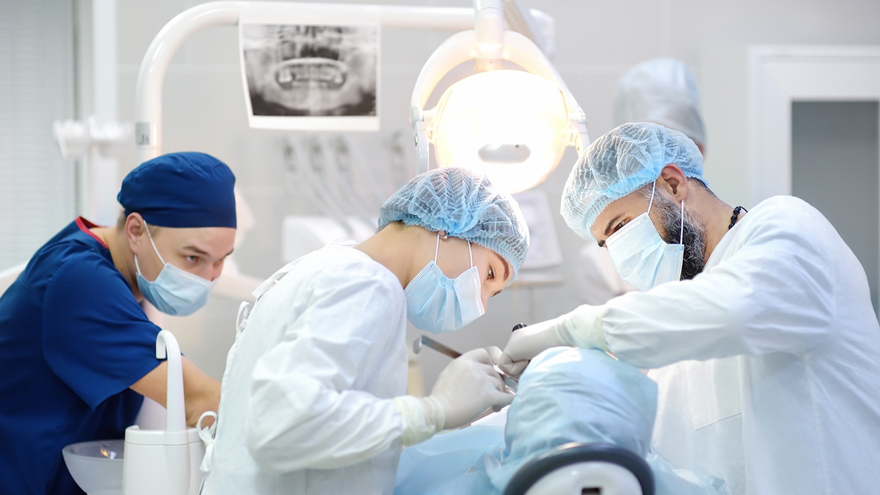
Dental Implant Revision & Peri-Implantitis Center
While dental implants boast success rates above 95%, biological complications, improper surgical placement, or poor hygiene maintenance can lead to implant failure, loosening, or peri-implantitis (bacterial infection destroying surrounding bone). At Lime Tree Dental Hospital, our Implant Revision Clinic serves as a specialized tertiary referral destination for diagnosing and rectifying compromised implant cases performed elsewhere.
Led by veteran prosthodontist Dr. Insu Kim with 21+ years of surgical experience, we provide gentle explantation, thorough decontamination, and advanced reconstructive reimplantation.
Common Reasons for Implant Revision
- Peri-Implantitis: Chronic bacterial infection causing severe gum bleeding, pus discharge, and rapid circumferential bone loss around the implant screw.
- Structural Component Fracture: Fractured abutment screws, cracked fixtures, or damaged implant bodies under abnormal occlusal forces.
- Malpositioned Implants: Fixtures placed too close to adjacent teeth, protruding through cortical plates, or angled improperly for aesthetic restorations.
- Lack of Osseointegration: Loose, mobile fixtures failing to fuse biologically with host bone.
Our Step-by-Step Revision Protocol
- Atraumatic Explantation: Utilizing specialized reverse-torque trephine kits that remove failing fixtures without destroying surrounding residual bone walls.
- Photodynamic & Laser Decontamination: Eradicating bacterial biofilms and necrotic tissue from the infected bone defect using specialized antimicrobials and lasers.
- Guided Hard & Soft Tissue Regeneration: Packing osteoinductive biomaterials to regenerate lost cortical plates and grafting connective tissue to thicken thin receded gums.
- Secondary Computer-Guided Reimplantation: After an optimal healing interval (or immediately in sterile conditions), placing a new premium fixture with guided accuracy.